Compassionate therapy for psychosis and altered states.
In-person support for paranoia, frightening thoughts, and intrusive voice hearing in Milwaukee and virtual support throughout Wisconsin & Minnesota.

Three Elements, Vassily Kandinsky

Everyone experiences alterations in reality, instances when perceptions shift, leaving you feeling lost or disconnected.
For some, these changes can become overwhelming. But with the right support, navigating these intense experiences can lead to greater clarity, stronger relationships, and a more grounded sense of self.
Experiences often called psychosis can be isolating and confusing. A common part of this can be hearing voices that are cruel, confusing, or distracting, often amplifying feelings of guilt, fear, or self-blame. These voices can make it hard to focus and leave you unsure if what you’re hearing is real. Along with this, you might feel intense fear, paranoia, or terror. You may feel like you're being watched or followed, or that something terrible is about to happen.
At times, extreme states can also feel like you know things others don’t, like people or events are connected in a way that others don’t understand. It can be scary to even say out loud. This can deepen your sense of isolation, especially when it feels like no one else understands. Explaining your experience can feel overwhelming, making the gap between you and others feel even bigger.
You long for a time without immense fear or confusion, but it can feel out of reach. The emotional toll can make you wonder if you’ll ever feel better. But please know, this is not a fixed state, it can change. With time, understanding, and support, relief is possible. Many people have found ways to feel better and reconnect. Support is available, and I’d like to help you find it, whether it’s with me or through another path.
You just want to make sense of your life.
Compassionate counseling for altered states and psychosis offers a space to process overwhelming experiences while building the life you want. Clients report that after starting therapy, life becomes more manageable, and they feel stronger, more relaxed, and more engaged with the people and things they love.

You deserve a space where you’re met with understanding and compassion, where your experiences are respected, valued, and approached with care and curiosity.
Texture 95, Ellen van Deelen
Together, we can…

Helen Frankenthaler, 50 Works on Paperbuild confidence in navigating extreme fears (or paranoia), worrisome thoughts, or hearing voices
create stronger, more fulfilling relationships
find meaning in your unique experiences
develop trust in your inner wisdom
establish daily practices that support your stability

Eleanor Longden, discussing her voice hearing
“If you don't have people who will accommodate your experiences, support you, and help you make sense of what's happening, then you're probably much more likely to struggle.”
Yellow Water, Angel Rodriguez-Rey
Compassionate support for navigating voices, fear, and unusual beliefs
If you’re finding it difficult to cope with hearing voices, feeling scared, or navigating beliefs that seem out of sync with those around you, know that you’re not alone. At my office in Milwaukee or virtually throughout Wisconsin, I offer a space where you can explore these experiences. I specialize in working with young adults who are navigating these challenges and feeling overwhelmed. Together, we can work towards turning what you might see as a weakness into a source of strength and resilience.
My approach combines gentle, non-pathologizing techniques with practical, everyday support. Using a mix of talk and body-based techniques, including Acceptance and Commitment Therapy (ACT), Sensorimotor Psychotherapy (SP), Cognitive Behavioral Therapy for Psychosis (CBTp), Self-Compassion approaches, and the Maastricht Interview, I’ll help you explore and make sense of your experiences in a way that feels right for you. We’ll focus on your personal wisdom and build on your strengths, helping you find greater peace and meaning in what you’re going through. Whether you choose virtual sessions or prefer to meet at my office in Milwaukee near Harambee, Riverwest, and Shorewood. I’m here to offer tailored support that fits your needs.
My goal is to help you lead a fuller, more meaningful life where you feel connected to what you care about and understood. Together, we’ll work on embracing self-compassion, building trust in yourself, and creating stronger, more fulfilling relationships. By tracking progress and discussing feedback at each session, we’ll ensure that your therapy is both supportive and effective in achieving your personal goals.
If you're ready to feel more relaxed, happy, and balanced, request an appointment or a free consultation below.

50 Works on Paper, Helen Frankenthaler
Our work together will always center your story, your needs, and your goals for growth, but knowing who your therapist is matters. I aim to create a space where you feel comfortable sharing your authentic self and where your lived experience is honored.
I'm a queer therapist of Polish and Irish-American descent who uses she/her pronouns. Growing up in a diverse Midwestern city and attending public schools helped shape my commitment to creating genuinely inclusive spaces.
My own experiences with mental health challenges and therapy, starting in childhood, inform my approach. When we work together, I bring years of specialized training alongside genuine understanding of emotional struggles, while recognizing that only you are the true expert in your own lived experience.
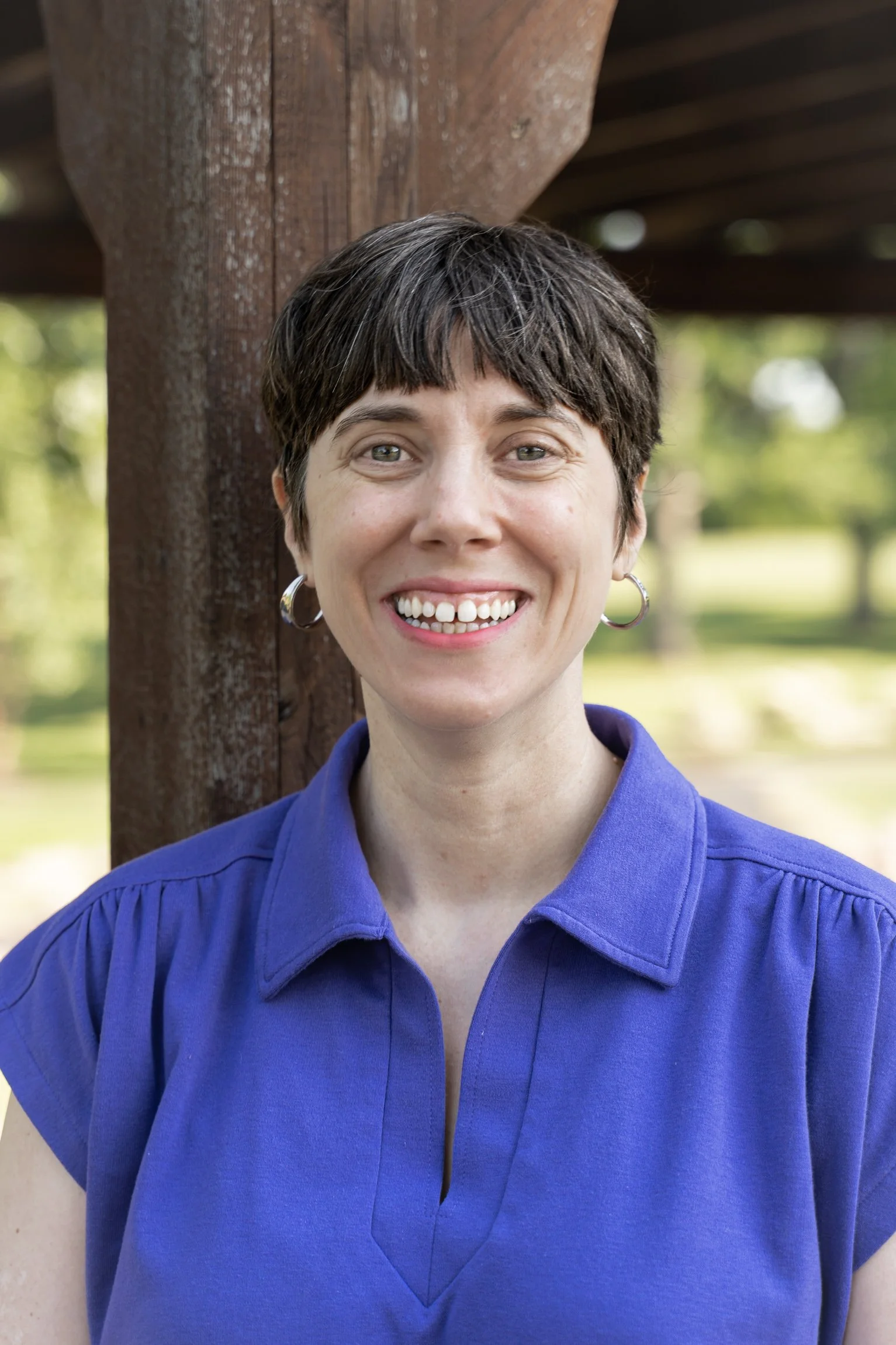
Welcome, I’m Colleen.
Paranoia and voice hearing are more common than you might think.
Yet, when it happens to you, you can feel completely alone. Whether you're experiencing unseen commentors providing a running narrative of your day, or detecting threats and patterns that others dismiss, these experiences can profoundly impact your mood, relationships, and sense of safety.
Some days the voices might offer companionship or insight, while other days they become overwhelming critics or frightening presences that no one else acknowledges. They might even appear from things around you, like the hum of a fan turning into words or mumbles.
The sense that something isn't right might follow you through public spaces, making you wonder if strangers are communicating about you in subtle ways, if your thoughts are being broadcast to others, or if hidden meanings exist behind seemingly ordinary events. Your vigilance feels necessary, even if you don’t fully understand it.
The truth is these experiences can be normal responses to stress, trauma, and adversity.
What if your voices could be approached with curiosity instead of just fear or avoidance?
What if your perceptions were treated as meaningful responses to your life rather than symptoms to eliminate?
What if you had a partner in investigating your fears that respected and worked to understand your experiences?
What if connection with others was possible without hiding essential parts of your reality?
This is all possible.
On Language: Understanding and Approaching Mental Health Terms
Language profoundly influences our understanding of mental health. Although I prefer not to use clinical terms like schizophrenia, schizoaffective disorder, or psychosis while talking with clients, I do use them on my website or situations where someone who has received one of these labels can find me and access counseling or non-clinical resources that I share. Many people have only heard clinical language to describe these kinds of experiences. In therapy sessions, I use the language clients prefer (whether clinical, non-clinical, or both), and if they don’t have a preference, I’ll use a variety of language that seems to describe their experience, so they can have exposure to discussing their experiences in different ways and hopefully feel less pigeonholed into one language or explanation of their experience.
Non-clinical language, such as "hearing voices," "altered states," and "unusual beliefs," offers a more nuanced and personal perspective. These terms often better reflect an individual's lived experience and can foster greater empathy and understanding. Clinical labels like "schizophrenia" have been criticized for being a catch-all for various non-consensus reality experiences, such as hearing voices or experiencing paranoia. While some of these experiences may overlap, many do not. Although many clinicians prefer non-stigmatizing language, they often use diagnostic categories to meet insurance companies' definitions of "medical necessity." This is one reason why I do not accept insurance. While clinical labels can help facilitate access to care, they do not capture the complexity of individual experiences and can create confusion. In therapy, the focus is on addressing each person's specific distressing experiences, using language that resonates with their reality to provide compassionate, personalized support.
THERAPY THAT FITS YOUR LIFE
Finding time for self-care shouldn't add more stress to your day.
LOCATION
Conveniently located in Milwaukee off I-94
Easily accessible from Wauwatosa, Shorewood, and the Sherman Park, Harambee, and Riverwest neighborhoods. Plenty of free parking.
AVAILABILITY
Weekdays with extended evening hours
Two evenings a week to accommodate your busy schedule.
VIRTUAL OPTIONS
Secure, HIPAA-compliant video sessions
All you need is a private space and a device with internet connection.
(And while I'm flexible about where we meet, I'm legally required to point out that therapy while driving isn't an option—though I'd love to hear about your commute after you've safely parked!)
